
Contents
- 🤖 What is AI Ethics & Why It Matters
- ⚖️ Core Principles of Responsible AI
- 🤔 Key Ethical Challenges in AI
- 🌐 Global AI Ethics Frameworks & Regulations
- 🏢 AI Ethics in Practice: Business & Development
- 💡 Tools & Resources for Ethical AI
- 📈 The Future of AI Ethics: Emerging Debates
- ⭐ Ratings & Reviews (Conceptual)
- Frequently Asked Questions
- Related Topics
Overview
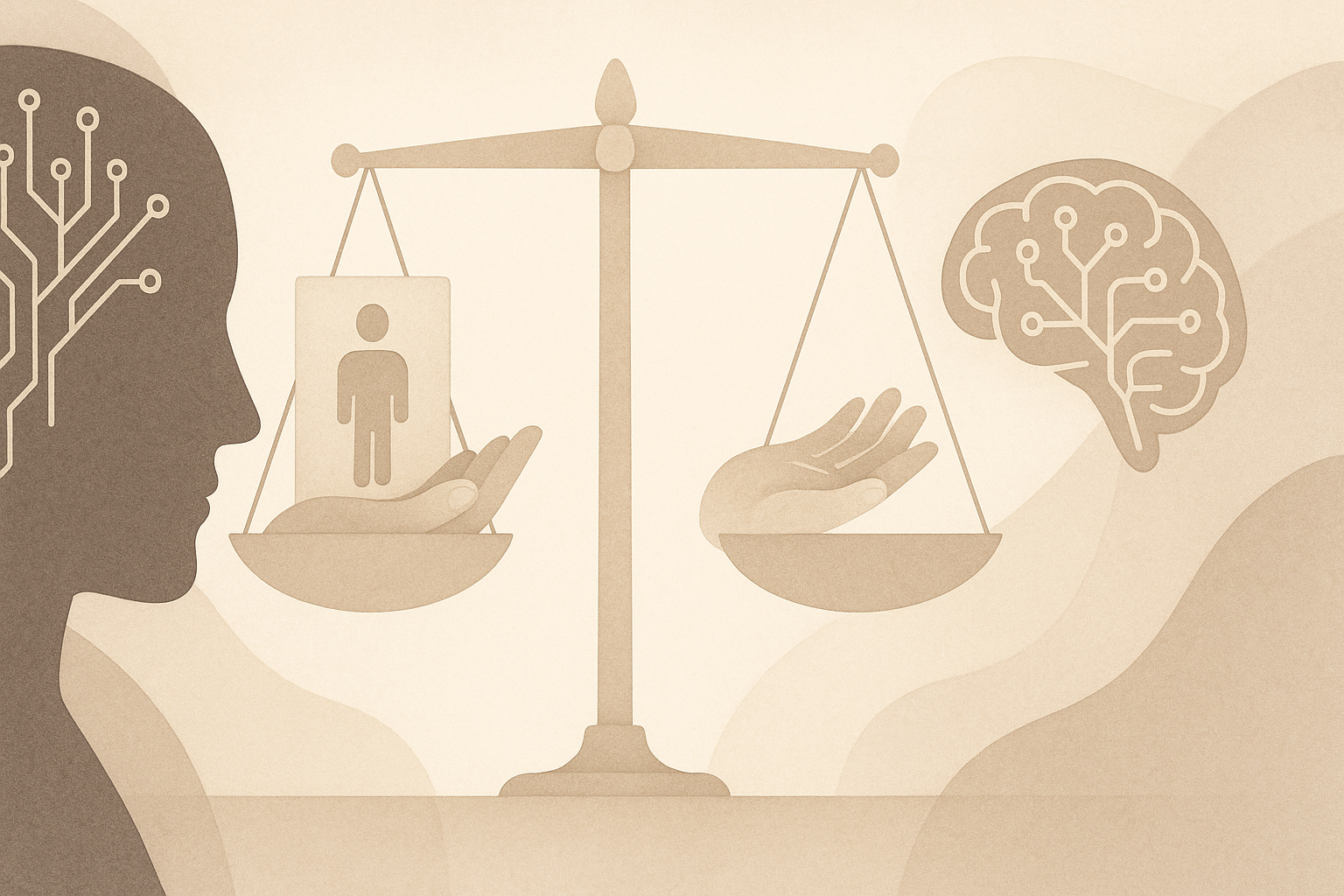
AI ethics is the field dedicated to understanding and addressing the moral implications of artificial intelligence. It's not just an academic pursuit; it's crucial for anyone developing, deploying, or interacting with AI systems. Think of it as the conscience for algorithms, ensuring that as AI becomes more powerful, it remains aligned with human values and societal well-being. Without a strong ethical compass, AI can perpetuate biases, erode privacy, and even destabilize economies. This field examines everything from the fairness of algorithmic decisions to the potential for misinformation campaigns.
⚖️ Core Principles of Responsible AI
At its heart, AI ethics is guided by several core principles. Fairness demands that AI systems do not perpetuate or amplify societal biases. Transparency means understanding how an AI reaches its conclusions, moving away from opaque 'black boxes.' Accountability ensures that there are clear lines of responsibility when AI systems err. Privacy is paramount, safeguarding personal information from misuse. Finally, safety ensures AI systems operate reliably and without causing harm. These principles are the bedrock for building trust in AI technologies.
🤔 Key Ethical Challenges in AI
The ethical landscape of AI is fraught with complex challenges. Bias remains a persistent issue, often stemming from biased training data, leading to discriminatory outcomes in areas like hiring, loan applications, and criminal justice. The increasing sophistication of AI raises profound questions about economic inequality. Furthermore, the ability of AI to generate realistic fake content, known as deepfakes, poses a significant threat to truth and public discourse. The concentration of AI power in the hands of a few large corporations also raises concerns about monopolistic control and influence.
🌐 Global AI Ethics Frameworks & Regulations
Globally, there's a growing effort to establish ethical guidelines and regulations for AI. The EU AI Act is a landmark piece of legislation aiming to regulate AI based on its risk level. Organizations like the OECD have developed principles for responsible AI innovation. Many countries are developing their own national AI strategies that incorporate ethical considerations. However, achieving international consensus on AI ethics is challenging due to differing cultural values and economic priorities, creating a complex regulatory environment for global AI development.
🏢 AI Ethics in Practice: Business & Development
In practice, AI ethics translates into concrete actions within organizations. This involves establishing ethics review boards, implementing bias mitigation tools, and conducting ethical impact assessments before deploying AI systems. Companies are increasingly hiring AI ethicists and responsible AI leads to guide their development processes. Training developers and product managers on ethical considerations is also crucial. The goal is to embed ethical thinking throughout the entire AI lifecycle, from conception to decommissioning.
💡 Tools & Resources for Ethical AI
Navigating the complexities of AI ethics is made easier with a range of tools and resources. Platforms like AI Fairness 360 and What-If Tool help developers identify and mitigate bias in their models. Organizations such as the Partnership on AI provide research and best practices. Academic institutions offer courses and certifications in AI ethics and governance. Staying informed through publications and conferences is also vital for keeping up with this rapidly evolving field.
📈 The Future of AI Ethics: Emerging Debates
The future of AI ethics is a dynamic and often contentious space. Debates are intensifying around AI sentience, the potential for existential risk, and the ethical implications of autonomous weapons. As AI capabilities expand, new ethical dilemmas will undoubtedly emerge, requiring continuous adaptation and robust public discourse. The question of who controls the development and deployment of advanced AI, and for whose benefit, will remain a central point of contention.
⭐ Ratings & Reviews (Conceptual)
While GAI God Me doesn't offer formal ratings for AI ethics, the community's engagement provides a conceptual gauge. Users often seek out AI tools that demonstrate transparency and provide clear explanations for their outputs. The perceived trustworthiness of an AI system, often influenced by public discussions around safety incidents and privacy breaches, plays a significant role in adoption. Look for AI services that openly discuss their ethical commitments and provide mechanisms for user feedback and recourse.
Key Facts
- Year
- 1950
- Origin
- Isaac Asimov's 'Three Laws of Robotics' (fictional precedent)
- Category
- Technology & Society
- Type
- Topic
Frequently Asked Questions
What is the difference between AI ethics and AI safety?
AI ethics focuses on the moral principles and societal impact of AI, ensuring it aligns with human values and fairness. AI safety, on the other hand, is more concerned with the technical aspects of preventing AI systems from causing unintended harm, such as malfunctions or catastrophic failures. While distinct, these fields are deeply interconnected, as ethical considerations often inform safety requirements.
How can I identify bias in an AI system?
Bias can manifest in various ways, including disparate outcomes for different demographic groups, or outputs that reflect stereotypes. Tools like What-If Tool can help visualize model behavior across different data slices. Examining the training data for imbalances and conducting thorough testing with diverse datasets are also critical steps. If an AI system consistently produces unfair results for certain populations, it's a strong indicator of bias.
Who is responsible when an AI makes a mistake?
Determining responsibility is a complex legal and ethical challenge. It can fall on the developers who created the AI, the company that deployed it, or even the users who interacted with it, depending on the context. Establishing clear lines of accountability through governance frameworks and legal precedents is an ongoing area of development in AI ethics.
What are deepfakes and why are they an ethical concern?
Deepfakes are synthetic media, often videos or audio, that have been manipulated using AI to appear authentic. They are an ethical concern because they can be used to spread misinformation, damage reputations, commit fraud, and undermine public trust in media. The ease with which they can be created and disseminated poses a significant challenge to truth and authenticity online.
How can businesses implement AI ethics effectively?
Businesses can implement AI ethics by establishing clear ethical guidelines, forming ethics committees, conducting risk assessments for AI projects, and providing training for employees. Prioritizing explainability in AI systems and having mechanisms for addressing user concerns are also crucial steps towards responsible AI deployment.
Is AI ethics a regulated field?
AI ethics is increasingly becoming a regulated field, with significant legislative efforts underway in regions like the European Union (e.g., the EU AI Act). Many countries are also developing national AI strategies that include ethical guidelines and compliance requirements. However, the regulatory landscape is still evolving and varies significantly across different jurisdictions.