
Contents
Overview
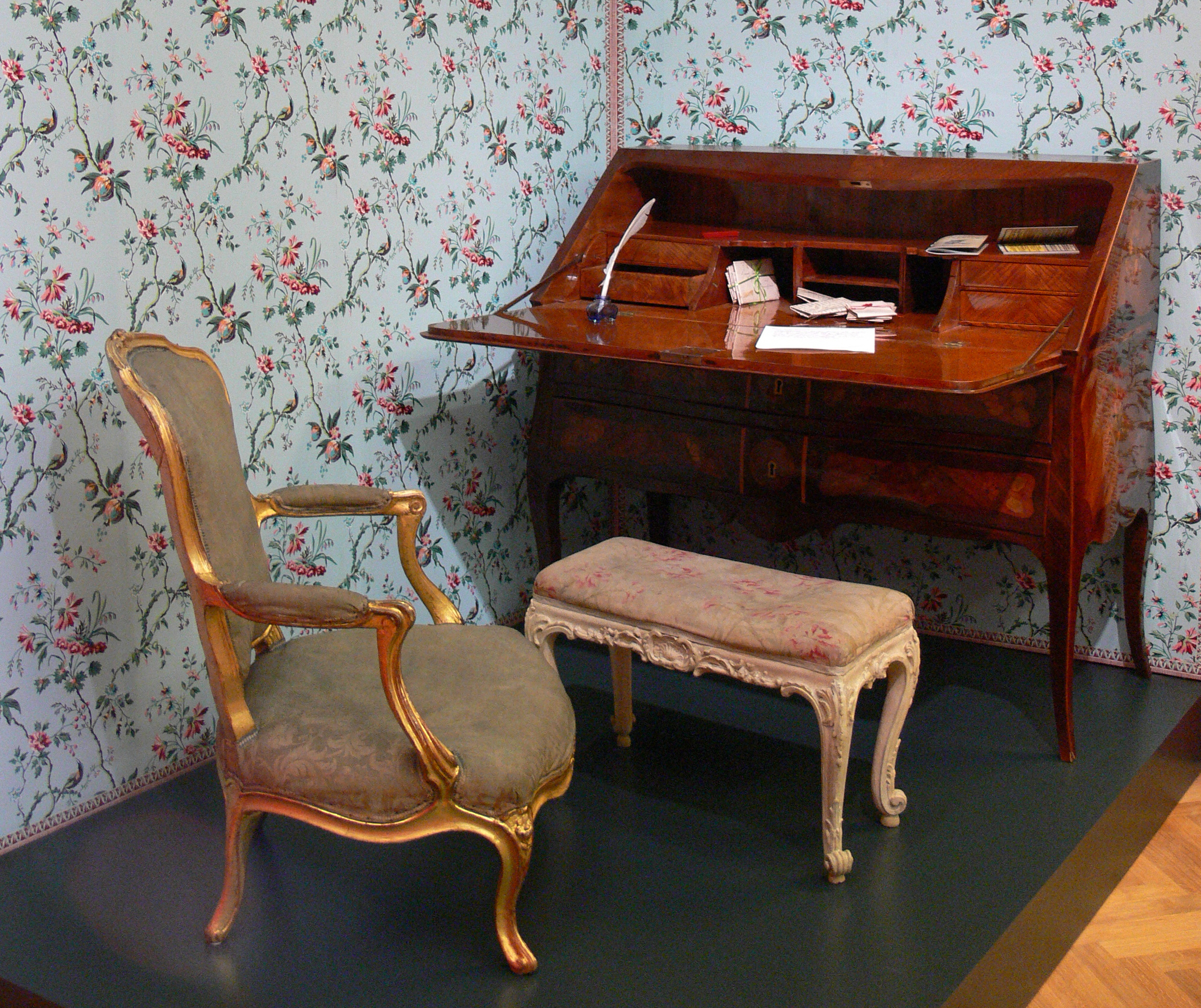
Antique furniture refers to collectible interior furnishings that possess considerable age, making them desirable for their rarity, condition, historical significance, and craftsmanship. These pieces are not merely functional objects; they are tangible links to past eras, reflecting the distinct styles, materials, and artisanal techniques of their periods, such as Victorian or Baroque. The desirability of antique furniture stems from its ability to enhance interior design, its potential for investment, and the stories embedded within its construction. From ornate Louis XV commodes to sturdy Shaker tables, each item offers a unique glimpse into the social and cultural contexts of its creation, making it a focal point for collectors and interior designers alike.
🎵 Origins & History
The concept of valuing old furniture as 'antique' has evolved over centuries. The Arts and Crafts Movement, championed by figures like William Morris, also emphasized handcrafted quality and historical styles, further solidifying the market for antique furnishings. This growing interest transformed furniture from mere household items into objects of historical and artistic merit, laying the groundwork for today's robust antique market.
⚙️ How It Works
Antique furniture functions on multiple levels: utility, artistry, and historical documentation. Functionally, pieces like chairs, tables, and beds provide support and comfort, while storage items such as chests, cabinets, and wardrobes organize belongings. Artistically, antique furniture embodies the aesthetic sensibilities of its era, showcasing intricate carvings, joinery techniques, and the use of specific woods like mahogany, oak, or walnut. Historically, these items serve as primary sources, offering insights into the social structures, economic conditions, and daily lives of past generations. For instance, the size and placement of a dining table might indicate family size and social hierarchy, while the materials used could reflect trade routes and resource availability during the Age of Exploration.
📊 Key Facts & Numbers
The global antique furniture market is substantial. The market is segmented, with certain periods and styles being more valuable than others. The condition of a piece is paramount.
👥 Key People & Organizations
Key figures in the antique furniture world include influential designers, renowned collectors, and prominent dealers. Major auction houses like Sotheby's and Christie's, alongside specialized dealers and galleries worldwide, play a crucial role in the trade and authentication of antique furniture.
🌍 Cultural Impact & Influence
Antique furniture influences interior design, lending character, history, and a sense of gravitas to spaces. It serves as a counterpoint to modern aesthetics, creating a dialogue between past and present. Beyond aesthetics, antique furniture has fueled a significant collectibles market, driving economic activity and fostering a community of enthusiasts, restorers, and historians. Its influence can be seen in the enduring popularity of period-inspired designs in contemporary homes and public spaces. The appreciation for craftsmanship and durability in antique pieces also subtly advocates for sustainability, encouraging the preservation and reuse of existing objects over mass-produced new items, a sentiment echoed by movements like minimalism's focus on intentionality.
⚡ Current State & Latest Developments
The current antique furniture market is experiencing shifts, with a growing interest in mid-century modern pieces alongside traditional antiques. Online platforms like 1stdibs.com and Chairish.com have democratized access, allowing global buyers to browse and purchase from a wider range of dealers. However, the market for very traditional, 18th and 19th-century European furniture has seen some stagnation, with younger collectors often gravitating towards more eclectic styles or specific design movements. The COVID-19 pandemic also accelerated the shift towards online sales, with virtual auctions and digital showrooms becoming increasingly prevalent, impacting traditional brick-and-mortar antique shops.
🤔 Controversies & Debates
One significant debate revolves around authenticity and restoration. Aggressive restoration that alters a piece's original character or materials can significantly devalue it, leading to controversy among collectors and conservators. The definition of 'antique' itself can be contentious, with some advocating for broader interpretations beyond the 100-year mark to include significant design movements. Furthermore, the provenance of a piece—its ownership history—is crucial for establishing value and authenticity, but can be difficult to trace for older items, leading to disputes. Ethical sourcing of antique pieces, particularly those from colonial periods, is also an emerging area of discussion.
🔮 Future Outlook & Predictions
The future of antique furniture is likely to be shaped by evolving tastes and technological advancements. While traditional antiques will retain their value for dedicated collectors and institutions like the Metropolitan Museum of Art, there's a projected increase in demand for historically significant mid-century and even late 20th-century design pieces. Digital technologies, such as 3D scanning and augmented reality, may play a larger role in cataloging, authentication, and virtual viewing of antique pieces. Sustainability concerns will continue to drive interest in preserving and repurposing existing furniture, potentially leading to new markets for expertly restored or creatively adapted antique items, moving beyond mere historical replication.
💡 Practical Applications
Antique furniture finds practical application in various settings, most notably in interior design for homes, hotels, and commercial spaces seeking a distinguished aesthetic. Museums and historical societies utilize antique furniture for exhibition and educational purposes, preserving cultural heritage. It also serves as a valuable asset class for investors and collectors, with pieces appreciating in value over time. Furthermore, antique furniture is frequently used in film and theater productions to authentically recreate historical settings, contributing to the visual storytelling of the narrative. The craftsmanship inherent in antique pieces also inspires contemporary furniture makers and designers.
Key Facts
- Category
- aesthetics
- Type
- concept