Chiles Rellenos | GAI God Me
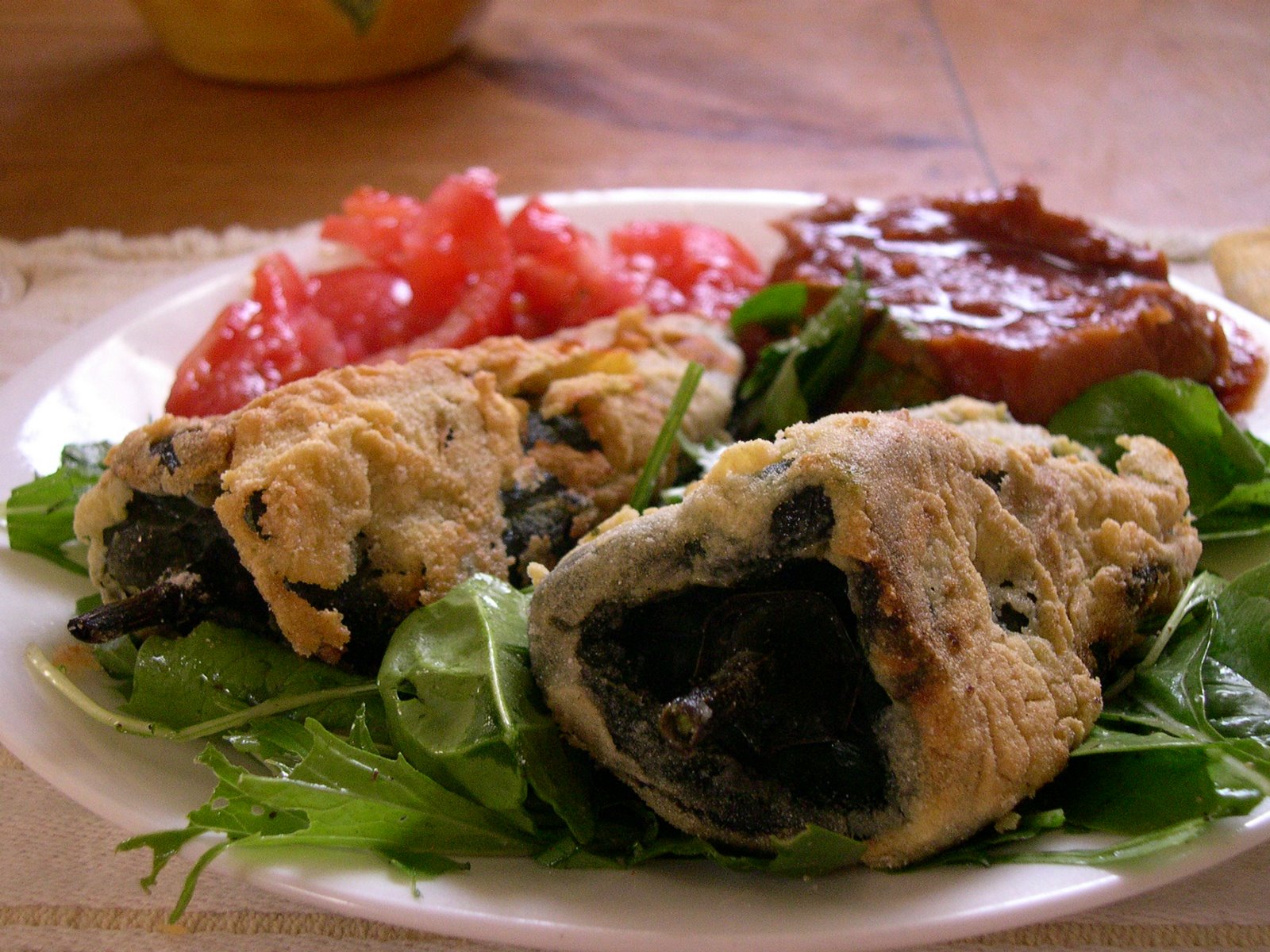
Chiles rellenos, a cornerstone of Mexican gastronomy, represents the ingenious transformation of a humble poblano pepper into a celebrated dish. This culinary…
Contents
Overview
Chiles rellenos, a cornerstone of Mexican gastronomy, represents the ingenious transformation of a humble poblano pepper into a celebrated dish. This culinary creation typically features a roasted poblano pepper, carefully seeded and stuffed with a savory filling – most commonly melted cheese like queso Oaxaca or a rich picadillo. The stuffed pepper is then enveloped in a light batter, often egg whites or masa flour, and fried to a golden crispness before being served, frequently bathed in a vibrant tomato sauce. Its journey from a simple concept to a beloved staple across Mexico and beyond highlights the deep cultural significance of adapting local ingredients into complex, satisfying meals, showcasing a culinary technique that emphasizes texture, flavor, and visual appeal.
🎵 Origins & History
The genesis of chiles rellenos is deeply rooted in the culinary landscape of Puebla, Mexico. While the poblano pepper is the quintessential vessel, its preparation has evolved, with variations incorporating other peppers like New Mexico chiles or jalapeños for a spicier kick. The stuffing itself has seen a spectrum of innovation, moving from simple minced meats to complex picadillos featuring ingredients like raisins and nuts, seasoned with cinnamon, and from basic melted cheese to more sophisticated cheese blends. This evolution reflects a dynamic culinary tradition that honors its origins while embracing new flavors and techniques, solidifying its place in Mexican cuisine.
⚙️ How It Works
Crafting chiles rellenos is a multi-step process that requires precision and care. It begins with selecting ripe poblano peppers, which are then typically roasted over an open flame or under a broiler until their skins blister and char. This charring facilitates easy peeling, revealing the tender flesh beneath. The peppers are then carefully slit open, and their seeds and membranes are meticulously removed to temper their heat and prepare them for stuffing. The filling, whether a creamy blend of cheeses like [[queso-oaxaca|Oaxaca cheese]] or a seasoned [[picadillo|picadillo]] mixture, is then generously packed into the cavity. The stuffed pepper is subsequently coated in a batter – traditionally whisked egg whites or a light masa harina mixture – which, when fried, creates a delicate, crispy exterior. Finally, the rellenos are often served warm, sometimes nestled in a rich [[mole-poblano|mole poblano]] sauce or a simple tomato-based sauce, completing their transformation.
📊 Key Facts & Numbers
Chiles rellenos are a staple in an estimated 70% of Mexican restaurants globally, indicating their widespread popularity. The average poblano pepper used in the dish contains approximately 1,000 to 2,000 Scoville Heat Units (SHU), offering a mild to moderate spice level. A typical serving of chiles rellenos, depending on the filling and sauce, can range from 350 to 600 calories. The global market for Mexican food products, which includes ingredients for dishes like chiles rellenos, was valued at over $50 billion in 2023 and is projected to grow by 6% annually. In Puebla, the dish is a point of regional pride, with an estimated 500,000 servings consumed annually within the city alone during local festivals.
👥 Key People & Organizations
While no single individual is credited with inventing chiles rellenos, the dish's history is intertwined with the culinary heritage of Puebla, a city renowned for its rich gastronomic traditions. Key figures in Mexican cuisine, such as [[enrique-olvera|Enrique Olvera]], have elevated traditional dishes like chiles rellenos in their acclaimed restaurants, including [[pujol|Pujol]], showcasing refined interpretations to a global audience. Organizations like the [[secretaria-de-turismo-mexico|Secretaría de Turismo of Mexico]] actively promote regional dishes, including those from Puebla, as part of national cultural heritage. The evolution of this dish is also influenced by countless home cooks and restaurant chefs across Mexico and the United States who have adapted and perfected their own versions over generations, contributing to its enduring legacy.
🌍 Cultural Impact & Influence
The cultural resonance of chiles rellenos extends far beyond its culinary merits, symbolizing Mexican ingenuity and the art of transforming simple ingredients into celebratory meals. It has become a dish synonymous with Mexican comfort food, appearing on menus from humble taquerias to upscale dining establishments worldwide. Its visual appeal, with the golden-fried pepper often adorned with a vibrant sauce, makes it a popular subject in food photography and media, further cementing its iconic status. The dish's adaptability has allowed it to transcend regional boundaries within Mexico and find a significant place in [[tex-mex-cuisine|Tex-Mex]] and broader Latin American culinary landscapes, demonstrating its broad appeal and cultural diffusion. Its presence in popular culture, from films to literature, underscores its deep integration into the collective imagination of Mexican identity.
⚡ Current State & Latest Developments
In 2024, chiles rellenos continue to be a celebrated dish, with chefs and home cooks alike exploring new variations. Innovations include plant-based fillings using ingredients like jackfruit or seasoned tofu, catering to a growing demand for vegetarian and vegan options. The use of alternative peppers, such as [[habanero-pepper|habaneros]] for a fiery challenge or milder Anaheim peppers, is also on the rise. Furthermore, advancements in cooking technology, like air fryers, are being explored for achieving a crisp exterior with less oil. Restaurants are increasingly experimenting with diverse sauces, moving beyond traditional tomato-based options to include creamy poblano sauces, smoky chipotle reductions, or even fruit-infused glazes, reflecting a dynamic culinary scene.
🤔 Controversies & Debates
One of the primary debates surrounding chiles rellenos centers on the 'authentic' preparation. Purists often insist on the traditional poblano pepper and specific stuffing methods, sometimes viewing modern adaptations with skepticism. Another point of contention is the batter: some argue for a light egg white coating, while others prefer a more substantial masa flour dredge, each yielding a distinct texture. The role and type of sauce also spark discussion, with preferences ranging from a simple tomato broth to rich, complex moles. Furthermore, the debate over whether to peel the pepper after roasting or to leave some of the charred skin for added flavor is a recurring topic among enthusiasts and chefs, highlighting the dish's nuanced culinary identity.
🔮 Future Outlook & Predictions
The future of chiles rellenos appears to be one of continued innovation and global expansion. We can anticipate further exploration of plant-based and allergen-friendly versions, making the dish accessible to a wider audience. Expect to see more fusion interpretations, where chiles rellenos are integrated into other culinary traditions, perhaps as a filling for tacos or as a component in a larger composed dish. The use of heirloom pepper varieties and unique regional cheese pairings will likely gain traction, offering novel flavor profiles. As global palates become more adventurous, the potential for chiles rellenos to be reimagined with international ingredients and techniques is immense, ensuring its relevance for decades to come.
💡 Practical Applications
Chiles rellenos are a versatile dish with numerous practical applications, primarily as a main course in Mexican and Tex-Mex restaurants. They are a popular choice for special occasions and family gatherings due to their festive appearance and hearty nature. Beyond restaurant settings, they are a common feature at Mexican festivals and culinary events. Home cooks frequently prepare them for dinner parties or as a comforting weekend meal. The dish also serves as an excellent educational tool in culinary schools, teaching fundamental techniques such as roasting peppers, preparing fillings, battering, and frying. Its adaptability means it can be scaled for large catering events or prepared as individual portions, showcasing its broad utility.
Key Facts
- Category
- culture
- Type
- food