
Contents
Overview
Copper, a reddish-brown metal with the atomic number 29, is indispensable in modern technology and historical artistry. Its exceptional electrical and thermal conductivity make it the backbone of wiring, electronics, and heat exchangers. Beyond its industrial might, copper's malleability and resistance to corrosion have cemented its place in coinage, sculpture, and decorative arts for millennia. Understanding its properties, sourcing, and applications is key for anyone involved in manufacturing, construction, or historical preservation.
✨ What is Copper?
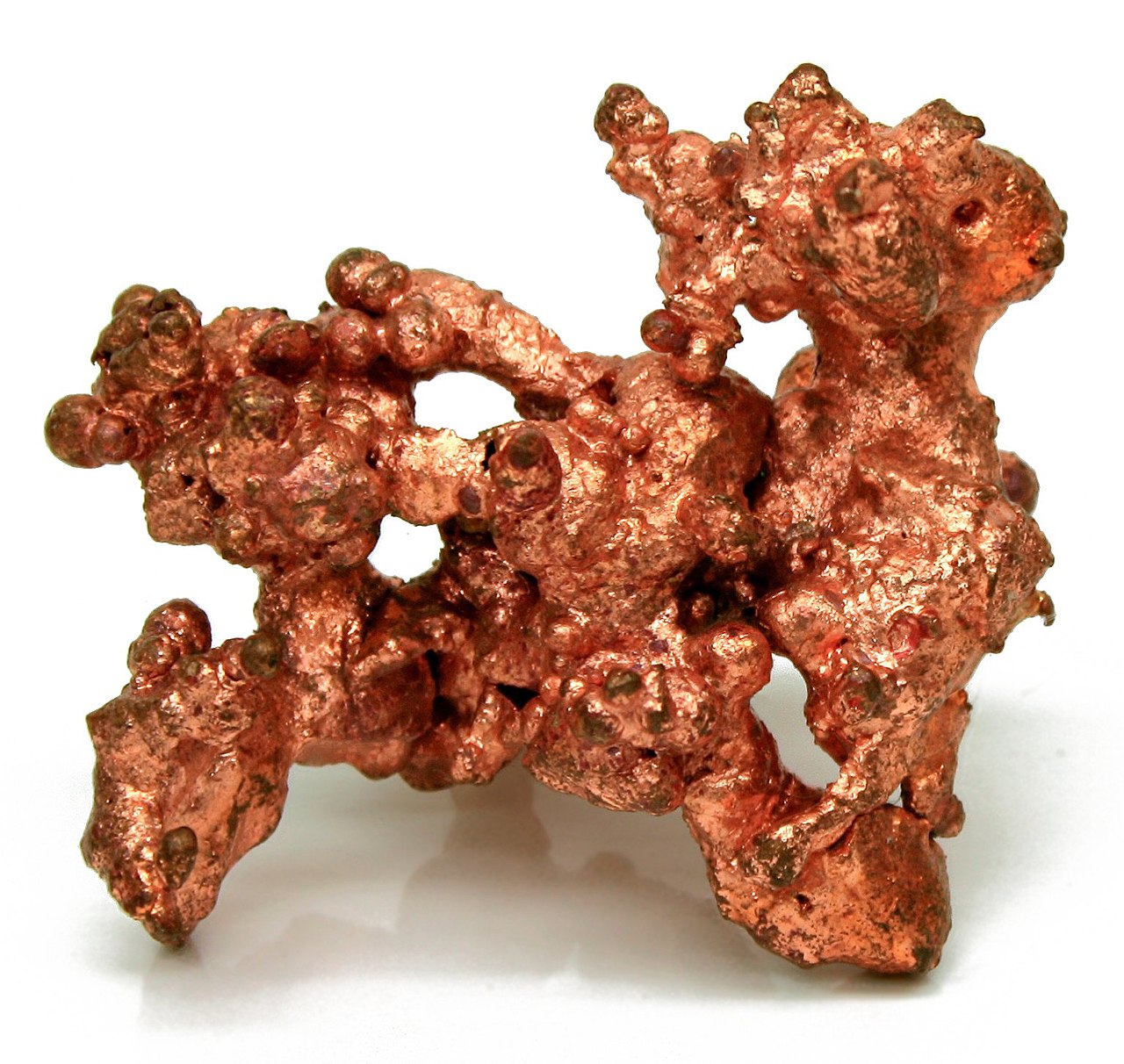
Copper, a chemical element symbolized as Cu with atomic number 29, is a fundamental material that has shaped human civilization. Known for its distinctive pinkish-orange hue when freshly exposed, it's prized for its exceptional malleability and ductility. This means it can be easily shaped, drawn into wires, or hammered into thin sheets without breaking. Its high thermal and electrical conductivity makes it indispensable in modern technology and infrastructure, a legacy built over millennia of human discovery and application.
🛠️ Key Properties & Uses
The utility of copper stems directly from its remarkable properties. Its unparalleled electrical conductivity makes it the go-to material for wiring in everything from household appliances to complex electronic circuits, second only to silver. Similarly, its high thermal conductivity is vital for heat exchangers, cookware, and plumbing systems. Beyond its conductive roles, copper is a key component in numerous alloys like bronze (copper and tin) and brass (copper and zinc), which offer enhanced strength and corrosion resistance for applications ranging from musical instruments to marine hardware and coinage.
💡 Historical Significance
The story of copper is deeply intertwined with human history, marking one of the earliest metals to be discovered and utilized. Its discovery, dating back to prehistoric times, ushered in the Chalcolithic period, or Copper Age, predating the widespread use of iron. Early civilizations harnessed copper for tools, weapons, and decorative objects, recognizing its workability and durability. The Romans, for instance, extensively mined copper, using it for coinage, plumbing, and armor, and even named the element 'cuprum' after the island of Cyprus, a major source of the metal.
⚖️ Copper vs. Other Metals
When comparing copper to other common metals, its unique balance of properties stands out. While aluminum is lighter and also a good conductor, copper offers superior electrical and thermal conductivity and greater resistance to corrosion in many environments. Steel, an alloy primarily of iron, is far stronger and more rigid but lacks copper's conductivity and is prone to rust. Silver surpasses copper in conductivity but is significantly more expensive, making copper the optimal choice for large-scale electrical and thermal applications where cost-effectiveness is paramount.
💰 Where to Find Copper
Finding raw copper ore is typically the domain of mining operations, with major global producers including Chile, Peru, and the United States. For consumers, copper is readily available in various forms: as copper wire for electrical projects, copper pipes for plumbing, copper sheets for crafting and roofing, and as components within countless manufactured goods. Recycled copper is also a significant source, contributing to sustainability efforts and reducing the need for virgin material extraction. Reputable suppliers of metal alloys and electrical components are the primary sources for processed copper.
⭐ User Reviews & Ratings
User feedback on copper products generally highlights its reliability and performance. Electricians frequently praise copper wiring for its ease of installation and consistent conductivity, noting fewer failures compared to alternative materials. Plumbers appreciate the corrosion resistance of copper pipes, especially in potable water systems, though some mention the higher initial cost compared to plastic alternatives. Artisans and craftspeople value copper's malleability for intricate designs, often citing its beautiful patina over time as an aesthetic advantage.
🤔 Frequently Asked Questions
What is the atomic number of copper? Copper's atomic number is 29, indicating it has 29 protons in its nucleus. Is copper a good conductor of electricity? Yes, copper is an excellent conductor of electricity, second only to silver, making it the standard for most electrical wiring. What are common copper alloys? Common copper alloys include brass (copper and zinc) and bronze (copper and tin), each offering distinct properties for various applications. Is copper magnetic? Pure copper is not magnetic; it is a diamagnetic material, meaning it is very weakly repelled by a magnetic field. How does copper corrode? Copper typically corrodes to form a green patina, a protective layer of copper carbonates and sulfates, which is often considered desirable in architectural applications.
🚀 The Future of Copper
The future of copper is intrinsically linked to the global transition towards renewable energy and electrification. Its role as a critical component in electric vehicles, renewable energy infrastructure like solar panels and wind turbines, and advanced battery technologies is set to expand dramatically. As demand surges, challenges related to sustainable mining practices, recycling efficiency, and supply chain stability will become increasingly important. Innovations in copper alloys and manufacturing processes may also unlock new applications, further solidifying its indispensable position in the 21st century.
Key Facts
- Year
- c. 9000 BCE
- Origin
- Ancient Near East
- Category
- Materials & Elements
- Type
- Element
Frequently Asked Questions
What is copper used for in modern technology?
Copper is essential in modern technology due to its high electrical and thermal conductivity. It's used extensively in electric vehicles, renewable energy systems like solar panels and wind turbines, and in the manufacturing of electronics, motors, and generators. Its ability to efficiently conduct electricity and heat makes it irreplaceable for many high-performance applications.
How does copper's conductivity compare to other metals?
Copper boasts exceptional electrical and thermal conductivity, surpassed only by silver. It significantly outperforms aluminum, iron, and steel in these regards. This superior conductivity, combined with its relative affordability and workability, makes it the preferred choice for most electrical wiring and heat exchange applications.
What is the difference between copper, brass, and bronze?
Copper is a pure element. Brass is an alloy of copper and zinc, known for its workability and corrosion resistance, often used for musical instruments and decorative items. Bronze is typically an alloy of copper and tin, prized for its strength and hardness, historically used for tools and weapons, and today for sculptures and marine hardware.
Is copper expensive?
The price of copper fluctuates based on global market demand and supply. While more expensive than aluminum or steel, it is considerably less costly than precious metals like silver or gold. Its performance benefits often justify the cost for critical applications where conductivity and reliability are paramount.
What is the green coating on old copper structures?
The green coating, known as patina, is a result of copper reacting with the atmosphere over time. It's primarily composed of copper carbonates and sulfates. This patina layer actually protects the underlying copper from further corrosion, and it's often considered an attractive aesthetic feature on historical buildings and statues.