
Contents
Overview
The flathead screwdriver, also known as a slot screwdriver or straight-blade screwdriver, is a fundamental hand tool characterized by its flat, wedge-shaped tip designed to fit into a screw's single linear slot. Its origins trace back to the 19th century, making it one of the earliest screw-driving mechanisms. While largely superseded by Phillips and Torx heads for many applications due to cam-out issues, the flathead remains relevant for specific historical fixtures, electrical work, and situations where a simple, robust driver is needed. Its straightforward design belies a history of innovation and adaptation in fastening technology.
🛠️ What is a Flathead Screwdriver?
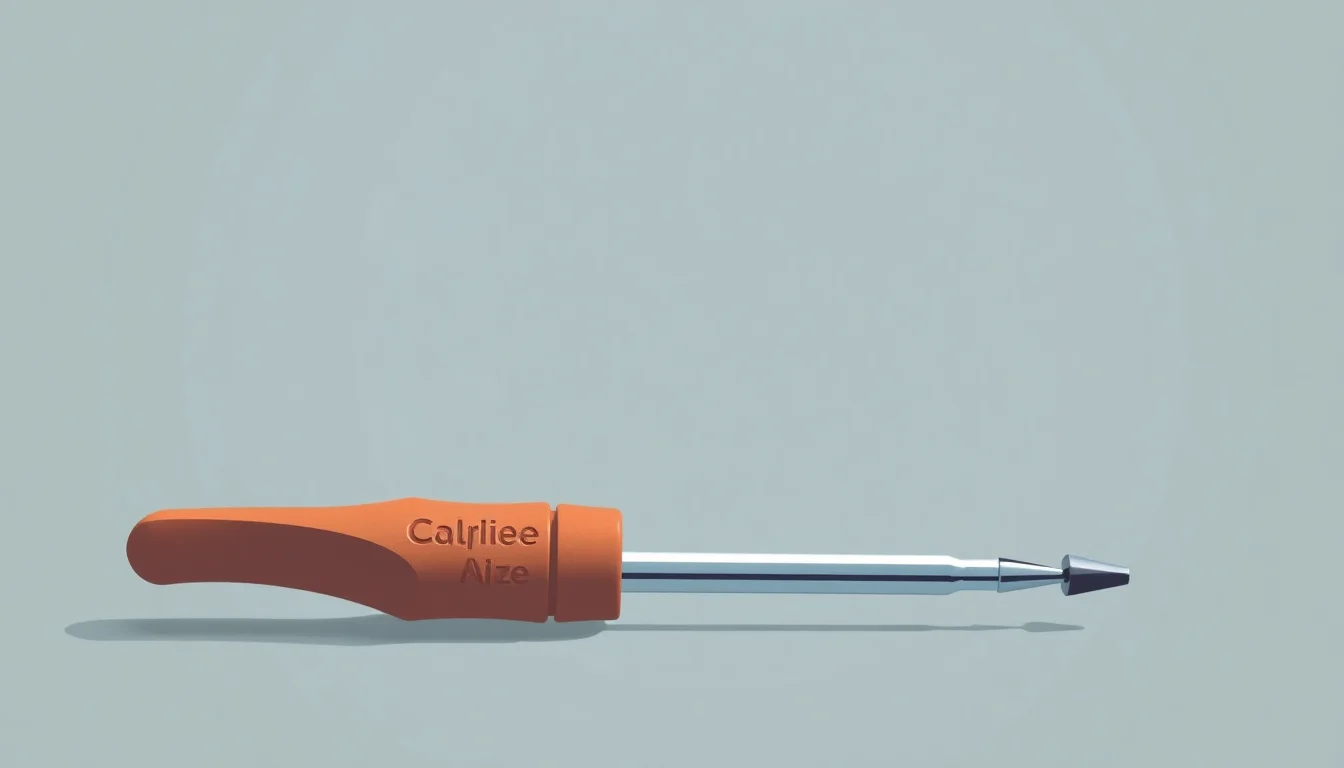
The flathead screwdriver, also known as a slotted screwdriver, is one of the oldest and most recognizable types of screwdrivers. It features a simple, flat-bladed tip designed to fit into a single, straight slot cut across the head of a screw. While ubiquitous, its design has inherent limitations, particularly in its tendency to slip. This tool is essential for anyone dealing with older furniture, basic electrical work, or any application still utilizing slotted screws. Its straightforward nature makes it a go-to for quick fixes and basic assembly tasks.
📜 A Brief History
The history of the flathead screwdriver is as old as the screws it was designed to turn. Evidence suggests slotted screws and rudimentary tools for driving them date back to at least the 1st century AD in the Roman Empire. However, the widespread adoption of the flathead screwdriver and slotted screws didn't truly take off until the Industrial Revolution, when mass production of standardized fasteners became feasible. Early versions were often crudely made, but the basic design principle has remained remarkably consistent for centuries, a testament to its initial effectiveness.
⚙️ How it Works: The Mechanics
The engineering behind a flathead screwdriver is deceptively simple. The tool's tip is a wedge-shaped blade, typically made of hardened steel, that fits snugly into the linear slot on a screw head. When torque is applied to the handle, the blade transfers this rotational force to the screw, driving it in or out of a material. The width and thickness of the blade are crucial for a proper fit, preventing cam-out, where the screwdriver slips out of the slot under pressure. A well-matched screwdriver ensures efficient power transfer and minimizes damage to both the screw and the tool.
⚖️ Flathead vs. Other Drives: A Comparison
Compared to modern drive types like Phillips head screws or Torx screws, the flathead's primary drawback is its susceptibility to cam-out. Phillips and Torx drives are designed with features that help center the tool and prevent slippage, especially under high torque. However, the flathead's simplicity means it can sometimes be easier to file down a damaged screw head to remove it when other tools fail. For applications requiring high torque or precision, newer drive types are generally preferred.
⭐ Popular Flathead Types & Uses
Flathead screwdrivers come in various sizes, distinguished by the width and thickness of their blades. Common sizes range from tiny jeweler's screwdrivers, perfect for eyeglasses and electronics, to larger ones used in construction and automotive repair. Some specialized flatheads include insulated handles for electrical work, magnetic tips to hold screws, and stubby versions for working in tight spaces. The choice depends entirely on the size of the slotted screw and the working environment.
⚠️ Safety First!
Safety with flathead screwdrivers primarily revolves around preventing slips and eye injuries. Always ensure the screwdriver tip is the correct size and fits snugly into the screw slot to minimize cam-out. Never use a flathead screwdriver as a pry bar or chisel, as this can damage the tool and cause injury. When working with electrical components, always use insulated screwdrivers and ensure the power is turned off. Wearing safety glasses is highly recommended, especially when working overhead or with materials that might chip.
💡 Tips for Using Flatheads Effectively
To use a flathead screwdriver effectively, select a tip that perfectly matches the width and thickness of the screw slot. Apply firm, consistent downward pressure to keep the tip engaged. Turn the handle smoothly, avoiding jerky movements that can lead to slippage. If a screw is particularly tight, try wiggling the handle slightly to break the initial seal. For screws that are stripped, a rubber band placed between the tip and the slot can sometimes provide extra grip.
🛒 Where to Buy & What to Look For
Flathead screwdrivers are readily available at most hardware stores, home improvement centers, and online retailers. When purchasing, consider the material of the shaft (chrome vanadium steel is common and durable) and the quality of the handle grip for comfort and control. Look for brands known for their tool quality, such as Stanley, Klein Tools, or Wiha. Prices can range from a few dollars for basic sets to significantly more for professional-grade, specialized tools. Tool kits often include a variety of flathead sizes.
Key Facts
- Year
- 1830
- Origin
- United Kingdom
- Category
- Tools
- Type
- Tool
Frequently Asked Questions
What is the main disadvantage of a flathead screwdriver?
The primary disadvantage of a flathead screwdriver is its tendency to 'cam-out,' meaning the tip can easily slip out of the screw slot, especially under high torque. This can strip the screw head, damage the screwdriver tip, and potentially cause injury.
When is a flathead screwdriver still the best choice?
Flathead screwdrivers are still useful for older furniture, certain electrical connections, and situations where a screw head might be slightly damaged but still has a usable slot. They can also be easier to modify or use in a pinch to remove a stubborn screw when other tools fail.
How do I choose the right size flathead screwdriver?
The tip of the flathead screwdriver should fit snugly into the slot of the screw. The width of the blade should be approximately the same as the diameter of the screw head, and the thickness should fill the slot without being too wide or too thin. A good fit prevents cam-out.
Can I use a flathead screwdriver for prying?
No, you should never use a flathead screwdriver for prying. They are designed solely for turning screws. Using them as a pry bar can bend or break the shaft, damage the tip, and lead to serious injury.
What are insulated flathead screwdrivers for?
Insulated flathead screwdrivers have a protective coating on the shaft designed to prevent electrical shock. They are essential for working on or near live electrical circuits, providing a crucial safety barrier.
How can I remove a stripped flathead screw?
If a flathead screw is stripped, you can try placing a wide rubber band over the screw head before inserting the screwdriver to provide extra grip. If that fails, you might need to use a screw extractor kit or carefully cut a new slot into the screw head with a Dremel tool.